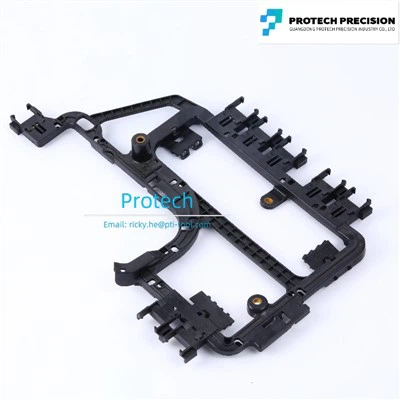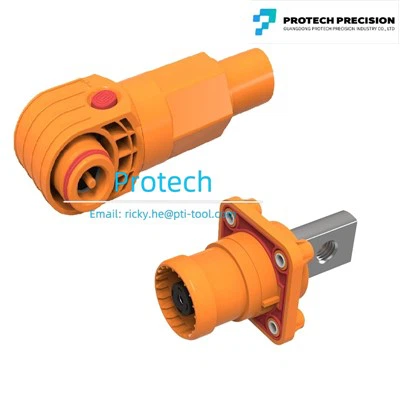
As one of the core processes in modern manufacturing, injection molding holds a significant position in the global industrial sector due to its efficiency, flexibility, and precision. This technology heats thermoplastic or thermosetting plastic raw materials to a molten state, then injects them into a mold cavity under high pressure. After cooling and solidifying, the desired product is formed. It is widely used in industries such as automotive, electronics, medical, and packaging.
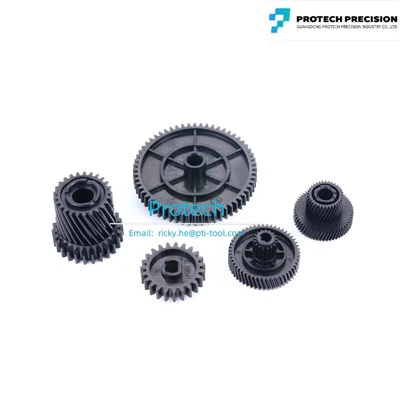
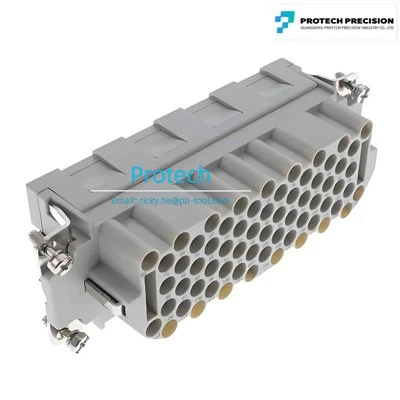
One of the notable features of injection molding is its high production efficiency. Through the use of automated production lines and multi-cavity molds, a single injection molding cycle can be completed in seconds, significantly shortening production cycles and meeting the demands of large-scale orders. Furthermore, this technology offers a high degree of design freedom, enabling the production of complex, high-precision components such as micro gears and precision connectors, meeting the diverse product demands of the foreign trade market.
Injection molding technology demonstrates excellent material efficiency. By optimizing mold design and process parameters, raw material waste can be significantly reduced and material utilization can be increased, aligning with global sustainable development trends. Furthermore, injection molded products exhibit excellent mechanical properties and cosmetic qualities, such as high strength, wear resistance, and a smooth surface, making them suitable for the manufacture of high-end foreign trade products.
Another major advantage of injection molding technology is its flexibility. By rapidly changing molds, companies can quickly adjust product offerings to meet the fluctuating demands of the international market. This agile production capability makes it an ideal choice for foreign trade companies catering to seasonal orders and small-batch customization.
In summary, injection molding technology, with its high efficiency, precision, and flexibility, has become a significant force driving the development of global manufacturing. Its application value is particularly evident in the foreign trade sector, providing solid support for the stability and upgrading of the international supply chain.